24/7 Emergency Care

header left arrow

/

English

/

RU

Online Contact

Ultrasonic Welder

cog

PRODUCTS CATEGORY

CONTACT

PRODUCTS CENTER

What is ultrasonic welding? Ultrasonic welding is a kind of joining method applying oscillation in ultra-frequency (normally 15~70KHz) to generate high temperature at the contacting (welding) area to melt material for joining to achieve parts assembly. During ultrasonic welding, the supplied electrical energy is in 50/60Hz is converted into mechanical oscillation energy in ultra frequency and working on work-pieces under pressure which case fast temperate rising to melt material, then stop ultrasonic oscillation and keep pressure forced on workpieces until cooling done to resolidify and form joining. Read more about ULTRSONIC>>

By Alex Lee

Mob: +86-15918523336

Emai: [email protected]

What is the application of ultrasonic welding principle in process to non-metal material?

Ultrasonic welding principle is applied over than joining, the most application as below:

Ultrasonic Welder ()
1.

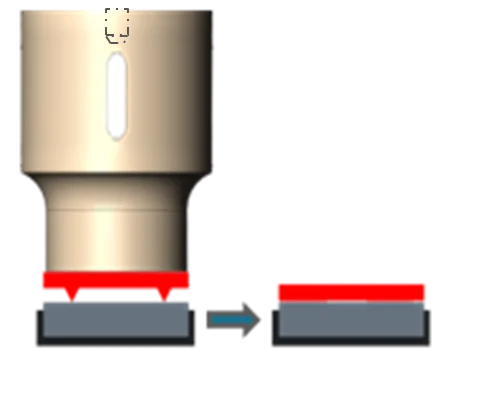
Energy ultrasonic welding: two plastic parts overlay together under pressure between which there is energy director (called welding rib) designed to melt as replacement to form joining.

Ultrasonic Welder ()

2.

Energy ultrasonic welding: two plastic parts overlay together under pressure between which there is energy director (called welding rib) designed to melt as replacement to form joining.

Ultrasonic Welder ()

3.

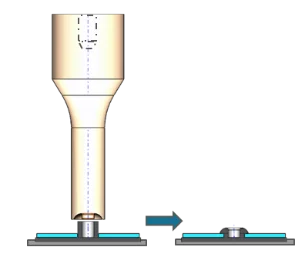
Ultrasonic Staking (Riveting): ultrasonic energy work on plastic boss (stud) of work-pieces with ultrasonic tooling to melt material and re-form shape under pressure to fix two-work pieces together, by which it achieves assembly of work-pieces.
Ultrasonic Welder ()

4.

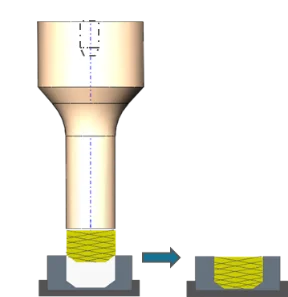
Ultrasonic inserting (embedding): press metal pieces into the hole of plastic parts and form embedding with ultrasonic tooling, during which ultrasonic tooling works on metal parts, such as metal nuts, transmitting ultrasonic oscillation energy to metal parts which case temperature rising in short time to melt plastic material contacting metal parts under pressure, as the same time press metal parts into plastic part hole, stop ultrasonic oscillation when metal parts has been pressed into target depth and keep pressure forced on metal parts, until thermoplastic material cool down to resolidify and hold metal parts firmly.
Ultrasonic Welder ()

5.

Ultrasonic Forming:Applies ultrasonic oscillation energy to melt thermoplastic material with ultrasonic tooling under pressure to re-form material in target shape.
Ultrasonic Welder ()

6.

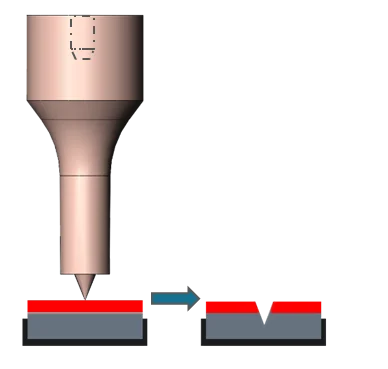
Ultrasonic Cutting:Ultrasonic tooling designed with blade, by which ultrasonic oscillation energy transmitted on blade works on material to achieve clean & neat cutting in efficiency with lower force than normal cutting.Read more about ultrasonic Cutting>>
Ultrasonic Welder ()

7.

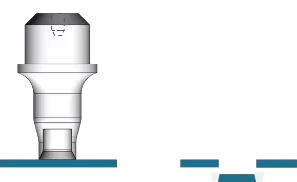
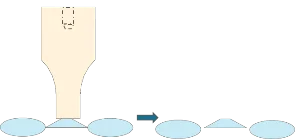
Ultrasonic Punching: a kind of ultrasonic cutting process, by which ultrasonic punching tooling made of hard material works on thermoplastic material with oscillation energy under pressure to cut through material gaining clean and net punching result.
Ultrasonic Welder ()

8.

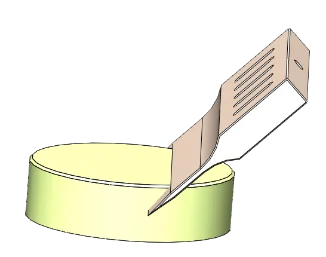
Ultrasonic de-gating: ultrasonic oscillation is transmitted to injection molded parts and focuses at the injection gate points of parts, by which cases neat crack at the gate to separate work-pieces from waste material.

What is the advantage of ultrasonic welding?

  1. Very short cycle time, Efficient operation;
  2. No consumption of material, low production cost;
  3. Ensure high assembly strength;
  4. Can achieve aright

What contents in ultrasonic system?

Ultrasonic Welder ()
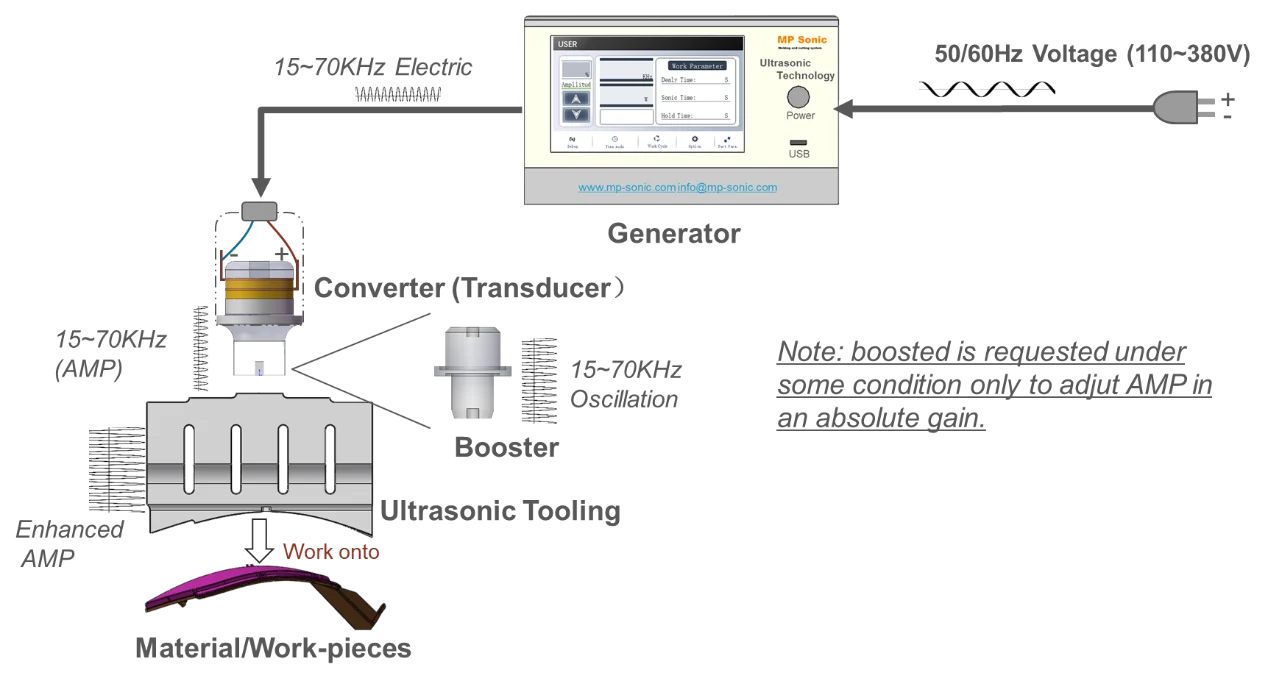
  1. Ultrasonic Generator: Power supplier of ultrasonic system which transforms supplied voltage frequencyinto ultrasonic frequency and supplies to transducer.
  2. Ultrasonic Converter: the transducer converts electric in ultrasonic frequencyinto mechanical oscillation called amplitude.
  3. Ultrasonic Booster: to adjust amplitude in a designed gain;
  4. Ultrasonic Horn: adjust amplitude and work onto material or work-pieces.
Read Details>>

What is critical to ultrasonic welding?

  1. Ultrasonic frequency: frequency of ultrasonic is not adjustable. Normally, ultrasonic frequency bandwidth (eg. 35±3KHz) exists fitting for frequency tolerance of ultrasonic tooling (ultrasonic transducers, boosters & horns). Ultrasonic tooling intime frequency must be in the ultrasonic frequency range for co-work.
  2. AMP of ultrasonic wave: wave length of ultrasonic oscillation.
  3. Pressure of melting: the pressure forced on workpieces by ultrasonic tooling when ultrasonic oscillate.
  4. Ultrasonic energy output: ultrasonic energy working on workpieces, the normal calculation form as blow:
    E: Energy; P: Power: Ultrasonic Power; Time: Ultrasonic TimeE=P*T

    F: Clamp Force; A: Amplitude; f: Ultrasonic Frequency

    E=P*F*A*f*T

    Integral form:

    E = \int \mu P v \, dt, which indicates that the energy is the integral over time of the product of the friction coefficient, pressure, and velocity.

    Energy density:

    E = K_1 P^{n_1}, where the energy density (E) is related to the welding pressure (P) by a power function.

    Energy distribution:

    E_0 = E_t + E_w, where the total energy equals the sum of frictional heat generation (E_t) and heat generated by plastic deformation (E_w).

  5. Ultrasonic welding volume control: normally means welding depth.
  6. Hold Time: the time for material cooling down under pressure to resolidify and form joining.
  7. Cooling pressure: the clamp force for cooling down to avoid loose after ultrasonic stop.

Moreover, it is very important that have suitable construction designed for ultrasonic welding according to parts material, geometric shape and welding result standard.

The types of ultrasonic welding machine

  1. Handheld (portable) type ultrasonic welder: small size and light weight for easy carrying and storage;
  2. Pneumatic ultrasonic welder: machine in table-top or ground-standing construction design, control ultrasonic head motion and force welding by pneumatic cylinder, economical equipment cost;
  3. Servo ultrasonic welder: machine in table-top or ground-standing construction design, control ultrasonic head motion and force welding by servo motor system for high precision welding control, meeting high requirement of welding.

How to control the work of ultrasonic?

When start ultrasonic?
  1. Delay time: a length of delay time present in system, machine head descend once start machine cycle, at the same time, timing start. When timing ends, ultrasonic starts working.
  2. Depth Control: a position in height is preset, machine head descends once machine cycle start us, after which ultrasonic starts when machine head descends to a preset position.
  3. Force pressure trigger: a clamping force is preset, machine head descends once machine cycle start us to clamp workpieces, ultrasonic starts when pressure forcing to workpieces reach to preset value.

When stop ultrasonic output?

  1. Time mode: a length of timing is present in ultrasonic system during which ultrasonic will keep outputting, ultrasonic stops working once time’s up;
  2. Energy mode: a value of energy preset in ultrasonic system, ultrasonic stops working once ultrasonic energy output reached to target value;
  3. Dynamic force pressure trigger mode: a clamping force value preset in machine system. During ultrasonic melting, the material will become soft the clamping force will drop, and after melting to the designed position (eg. the bottom of welding rib), the clamping force will increase fast, when reach to the preset clamping force value, ultrasonic will stop work.
  4. Depth mode:

    there are two types: a. ultrasonic stops work when machine head descends to the position in height preset; b. ultrasonic stops work when machine heads descends in a moving distance preset in system.

What kind of thermoplastic material can be welded by ultrasonic?

Different material different welding result by ultrasonic, the welding compacity between two similar or two dissimilar material is different.

Ultrasonic Welding Performance Analysis for Thermoplastic Materials
Material Combination Welding Compatibility Welding Difficulty Weld Strength (vs. Base Material) Welding Appearance
ABS + ABS Excellent Very Low 85% – 95% Smooth, No Flash
PC + PC Excellent Very Low 90% – 100% Transparent, Glossy
PS + PS Excellent Very Low 80% – 90% Smooth, Minimal Flash
PMMA + PMMA Good Low 75% – 85% Transparent, No Cracks
PVC + PVC Good Low 70% – 80% Smooth, Chemical Resistance Retained
PP + PP Good Medium 65% – 75% Slightly Rough, Visible Weld Line
PE + PE Good Medium 60% – 70% Slightly Rough, High Toughness
PA66 + PA66 Good Medium-High 60% – 70% Rough, Visible Weld Seam
PET + PET Fair High 50% – 60% Brittle, Easy to Crack
ABS + PC Excellent Low 80% – 90% Smooth, Good Adhesion
ABS + PS Good Low 75% – 85% Smooth, Minimal Flash
PC + PMMA Good Medium 70% – 80% Transparent, Good Clarity
ABS + PVC Fair Medium 60% – 70% Smooth, Moderate Adhesion
ABS + PP Poor High 30% – 40% Uneven, Easy to Delaminate
PC + PP Poor High 25% – 35% Brittle, Easy to Crack
PS + PP Poor High 20% – 30% Uneven, Low Strength
PA66 + PP Very Poor Very High <20% No Effective Weld
PET + PE Very Poor Very High <15% No Effective Weld

MP Sonic Ultrasonic Equipment

Welding depth mode control, ultrasonic frequency 15KH & 20 KHz , power output 3000W, 3200W, 4200W & 6000W.

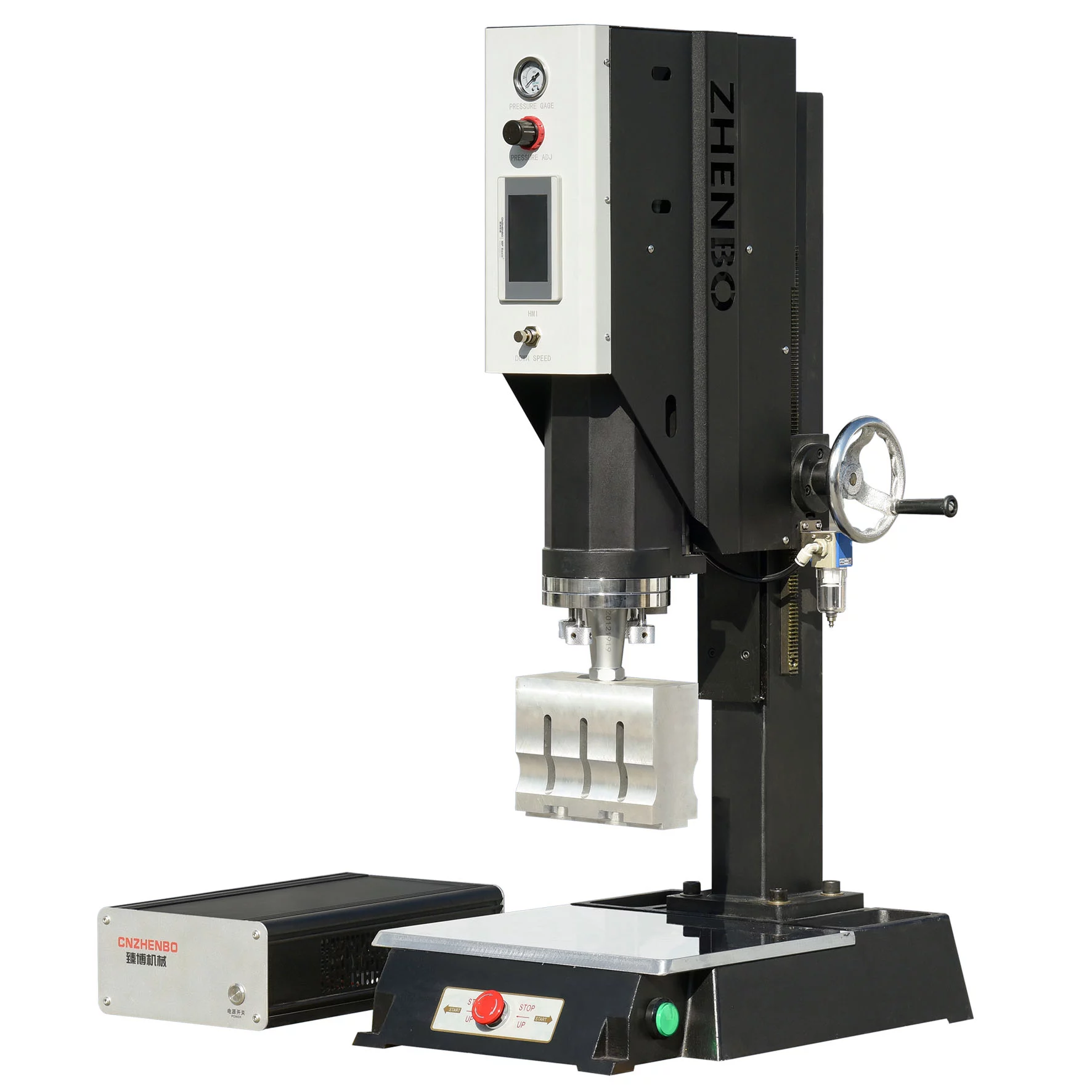
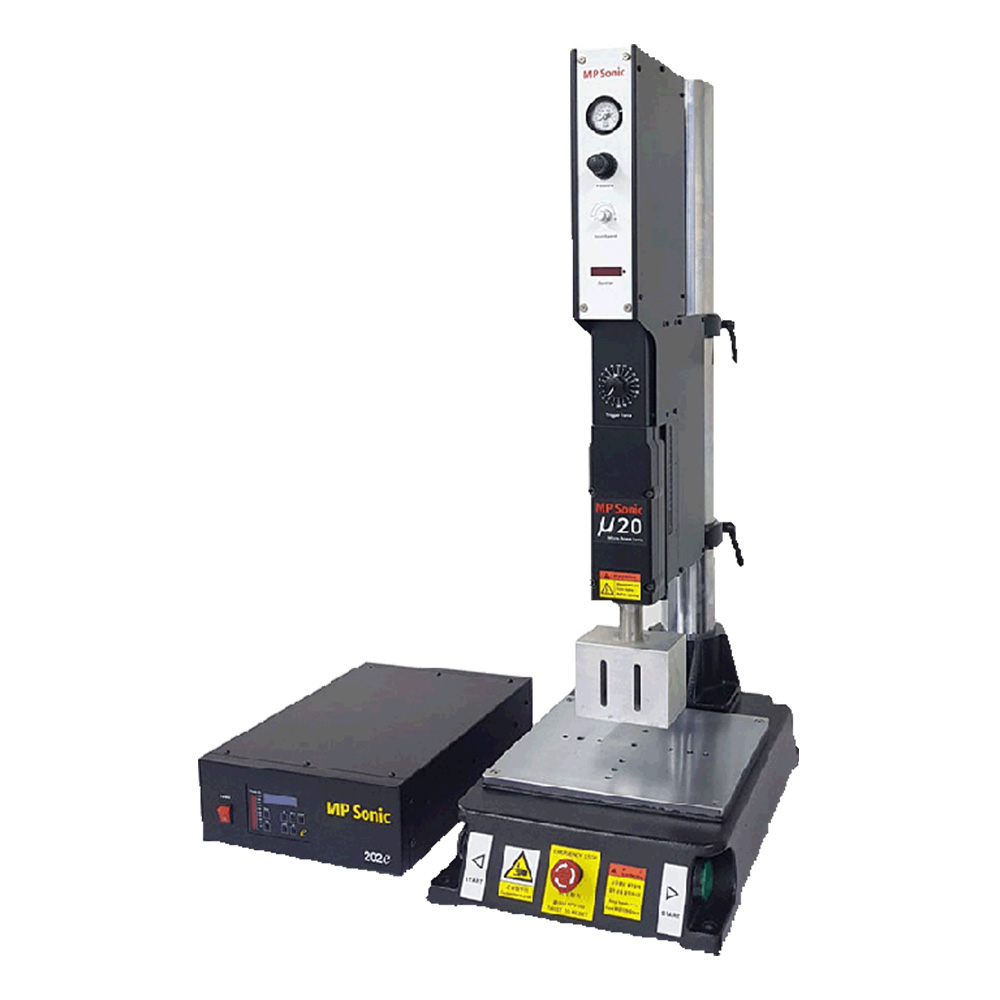
ZB-E1542 is an ultrasonic welder in economical series in high power output. Machine applies IGBT ultrasonic system in 15KHz 4200W with positive resonance design. Machine applies pneumatic cylinder to force ultrasonic welding action. Machine welding control mode including time mode, energy mode and external trigger mode. During welding, it can control welding process in two steps with set amplitude for each steps.

ZB-E Series ultrasonic welding machine applies pneumatic cycler to force welding. Machine applies IGBT ultrasonic system to control welding. Welding parameter is set on HMI. Ultrasonic amplitude is adjustable in 10~100% by 1%. Machine ultrasonic output can be controlled by time mode and energy mode.

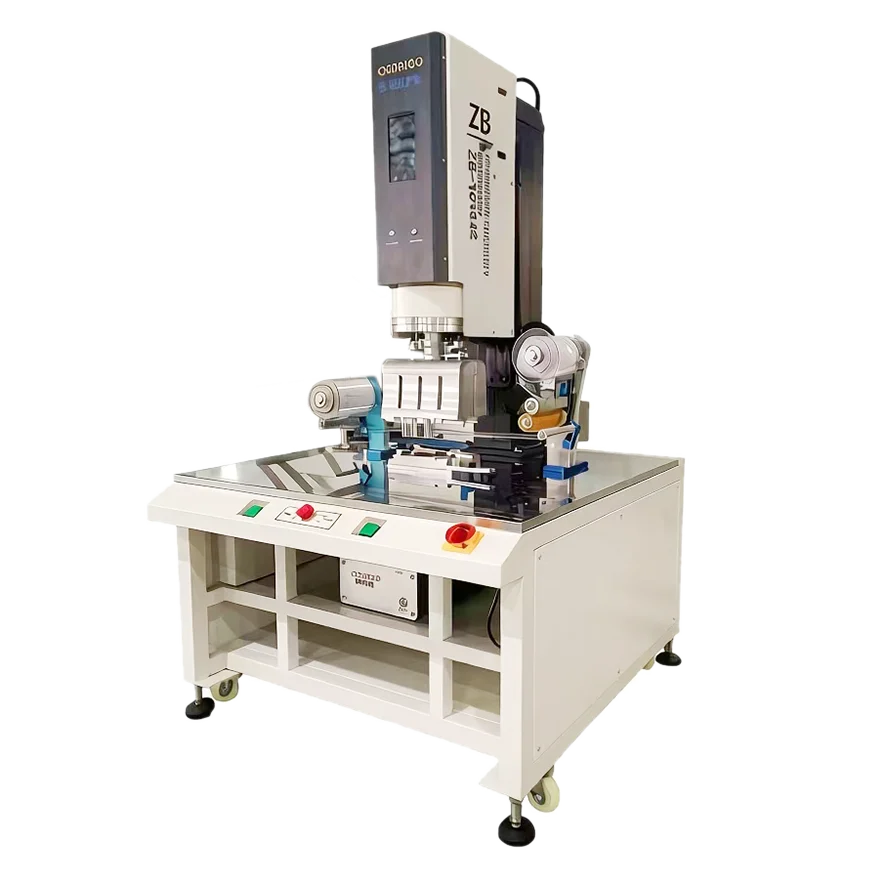
Ultrasonic Welder with PVC film rolling system to feed-in before welding and wind after welding aiming protect parts surface during  ultrasonic welding

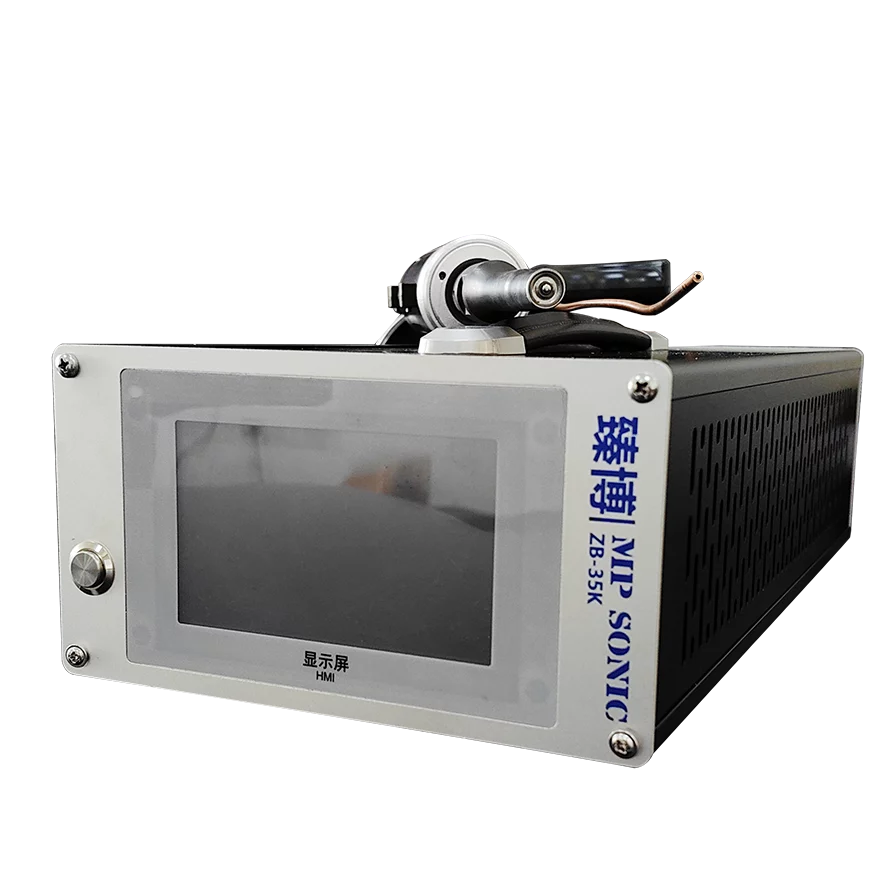
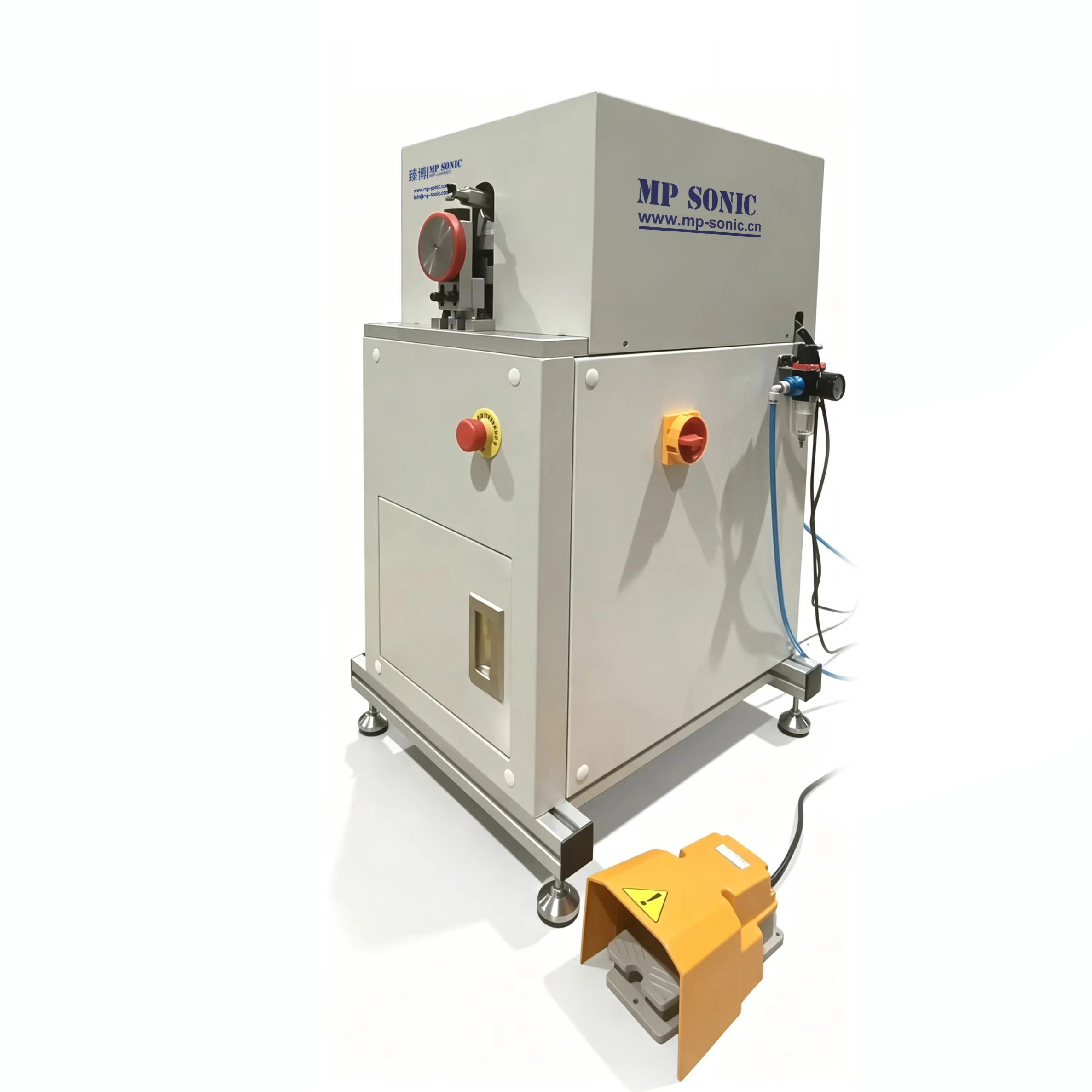
Portable ultrasonic welding machines, also called handheld ultrasonic welder, normally is in 28KHz, 30KHz, 35KHz, 40KHz in power of 800~1200W. Because of its benefit of light weight & small size, easy operation and economical investigation, etc, handheld ultrasonic welder is welcomed by different production industries, such as automotive industry, electronics industry, garment industry, etc.


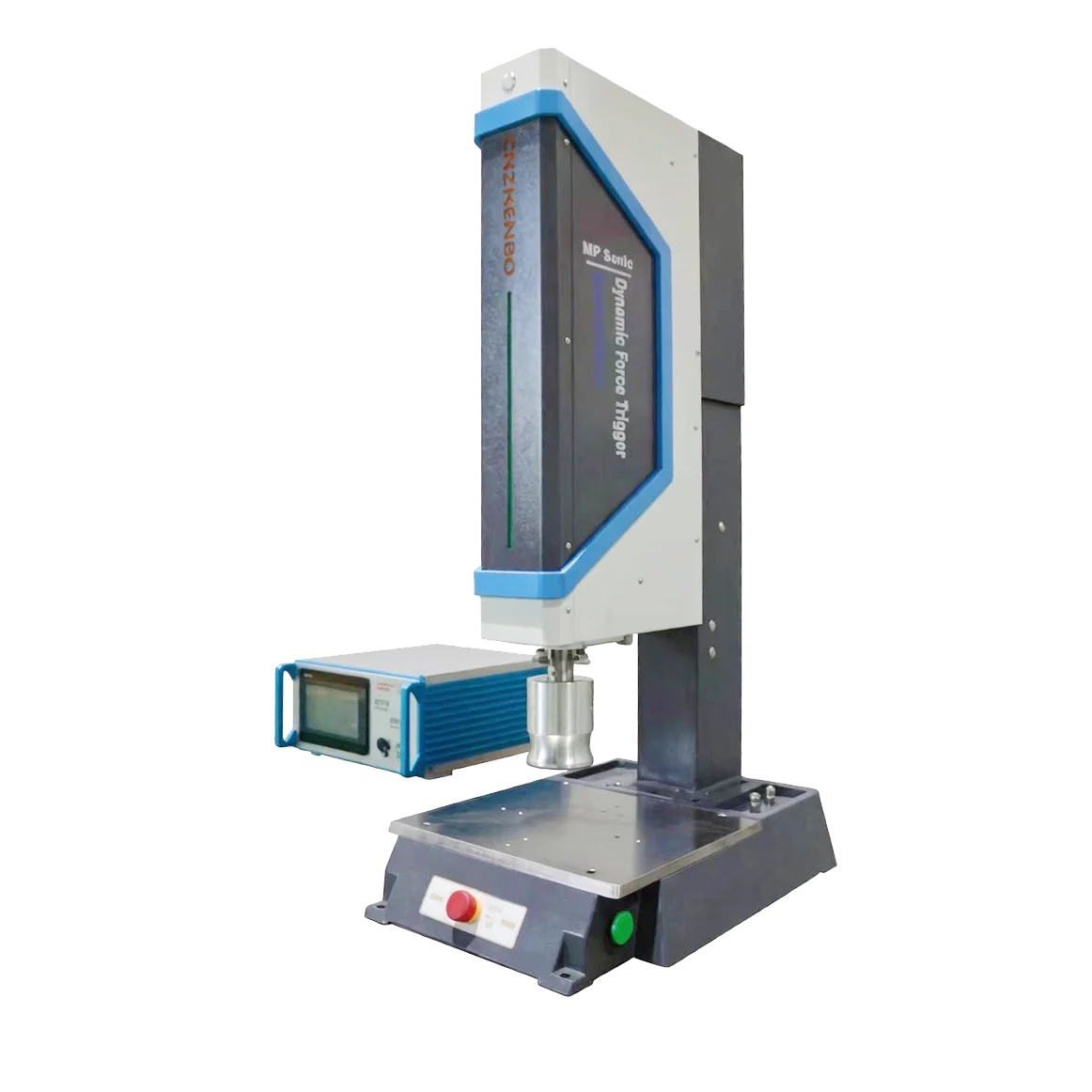
Ultrasonic welding machine with dynamic force trigger, ultrasonic frequency 15KH, 20 KHz , 35KHz, power output 1200W, 3000W, 3200W, 4200W & 6000W.

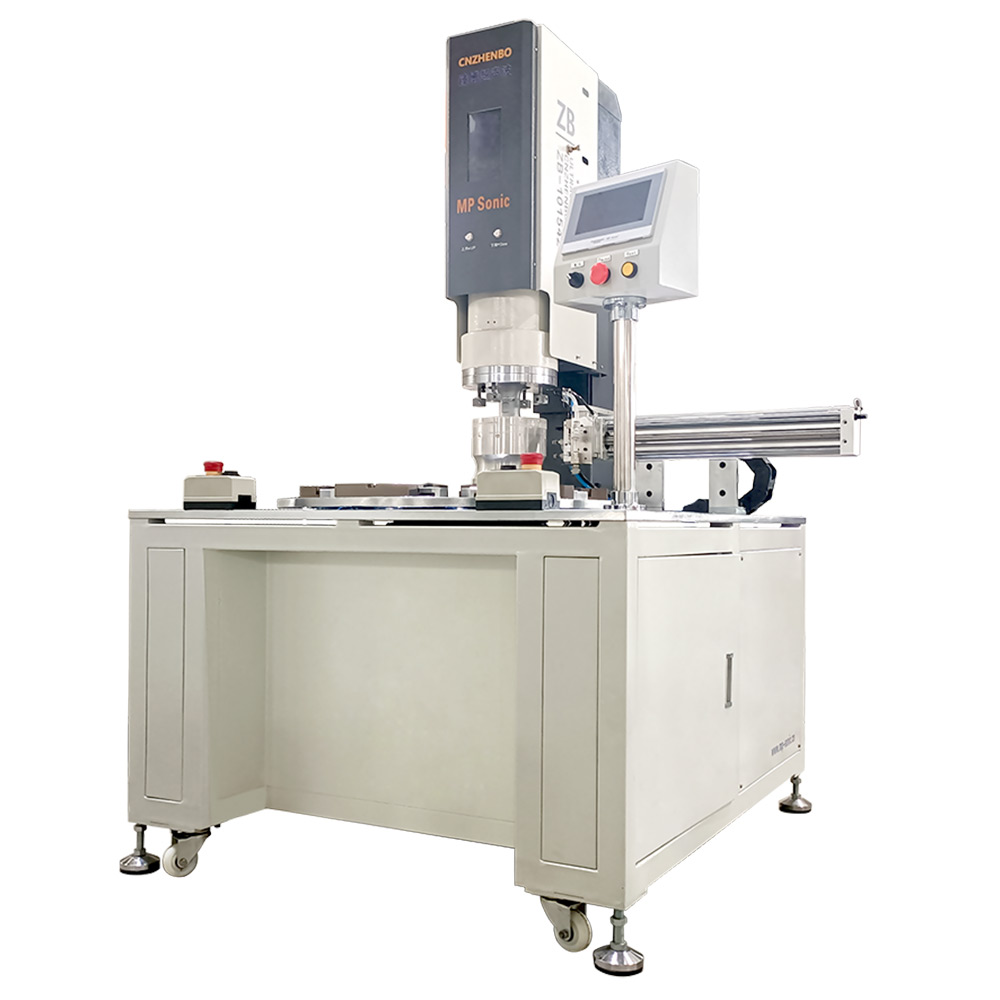
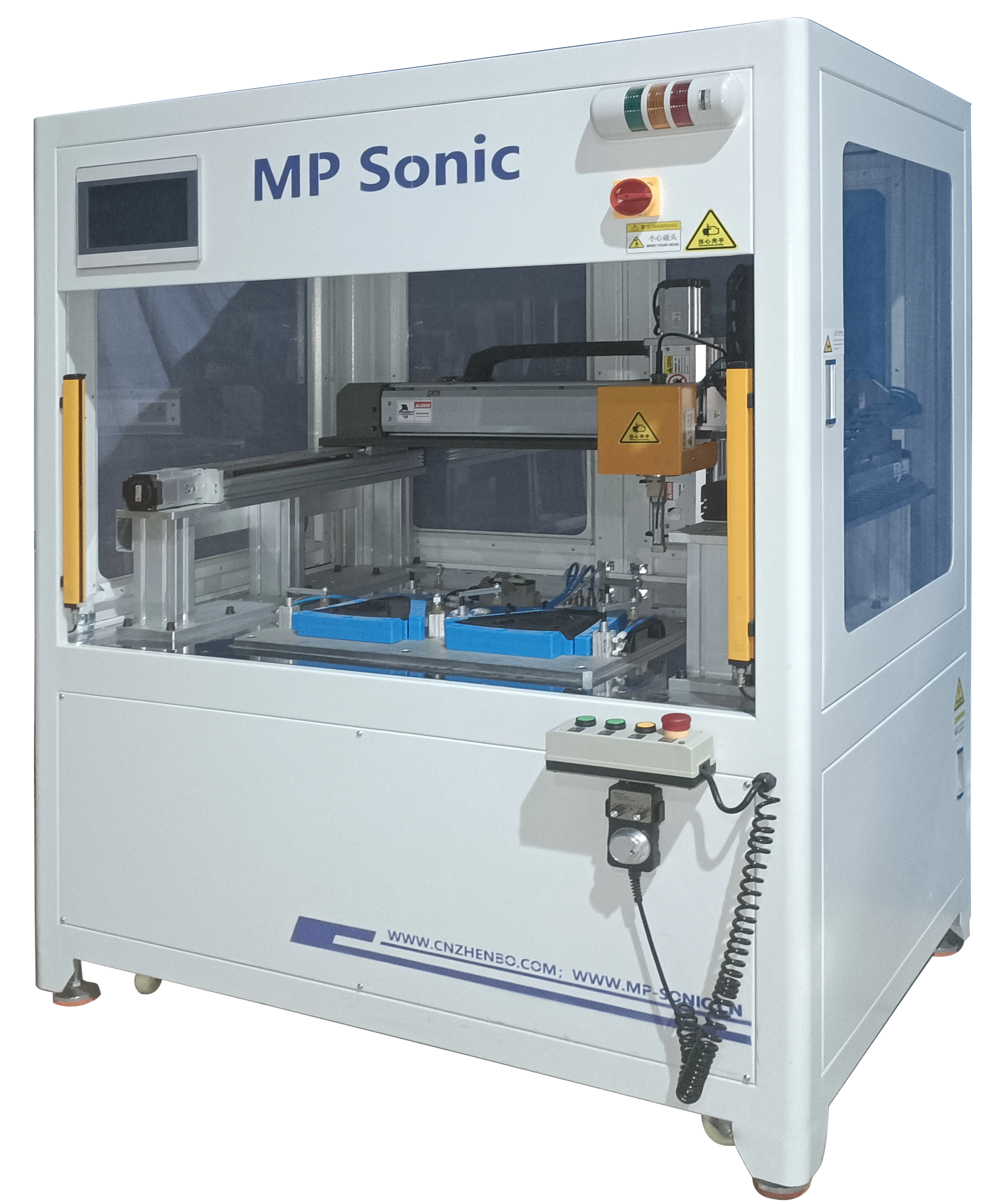
Ultrasonic welding machine applies rotary table index for different operation station for semi-automatic operation. Machine rotation indexing system applies servo motor system & splicer for accuracy and high motion speed. Ultrasonic system specification is customized according requirement.

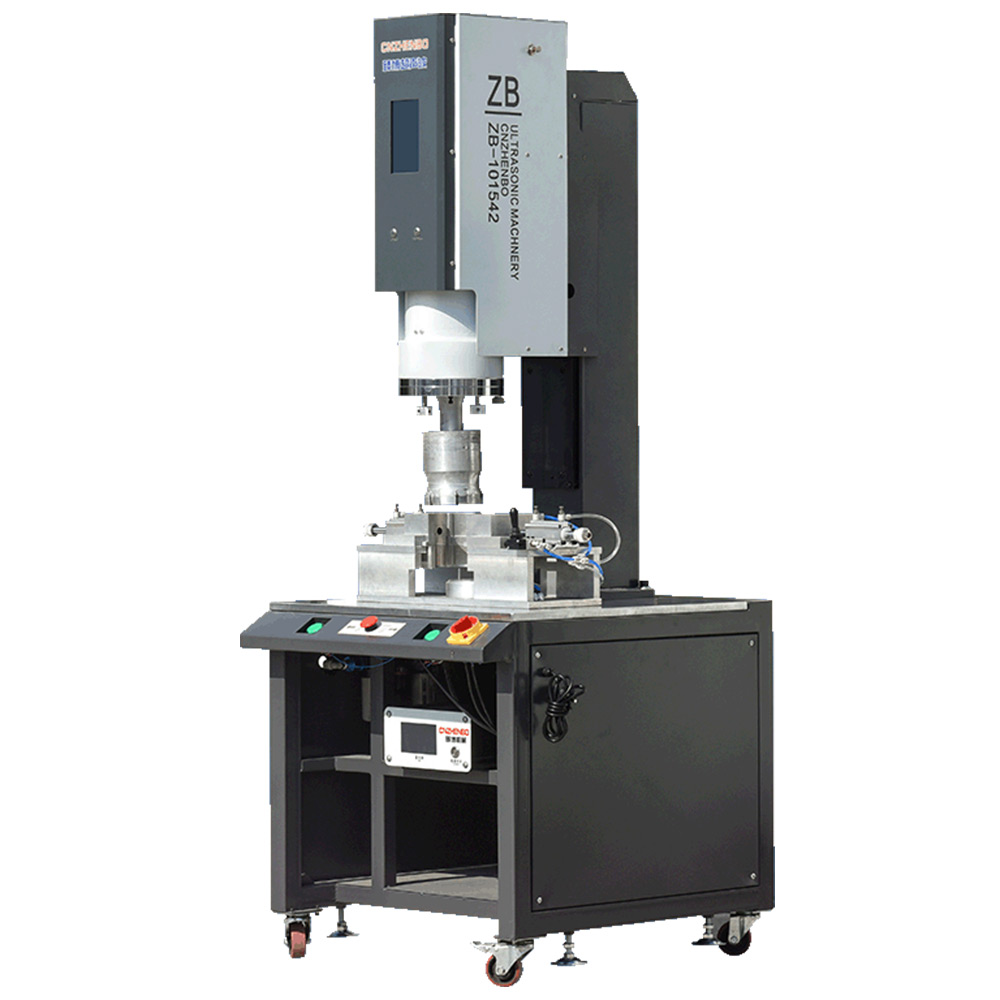
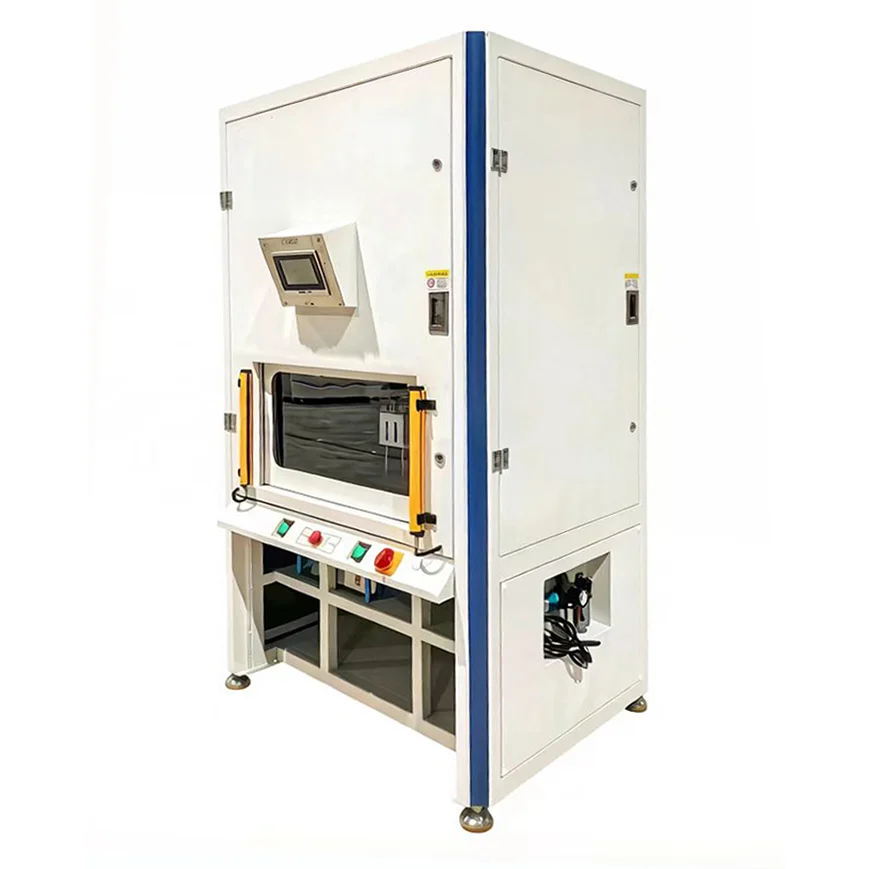
ZB-101542-P is a ultrasonic plastic welding machine designed with soundproof Shell to insulate ultrasonic noise. Machine applies 15KHz 4200W ultrasonic system made by MP Sonic to realize ultrasonic welding in high power output.

This machine is applied to bond the lining material to injection molded parts at edge by ultrasonic welding method to position material avoid loose after laminating

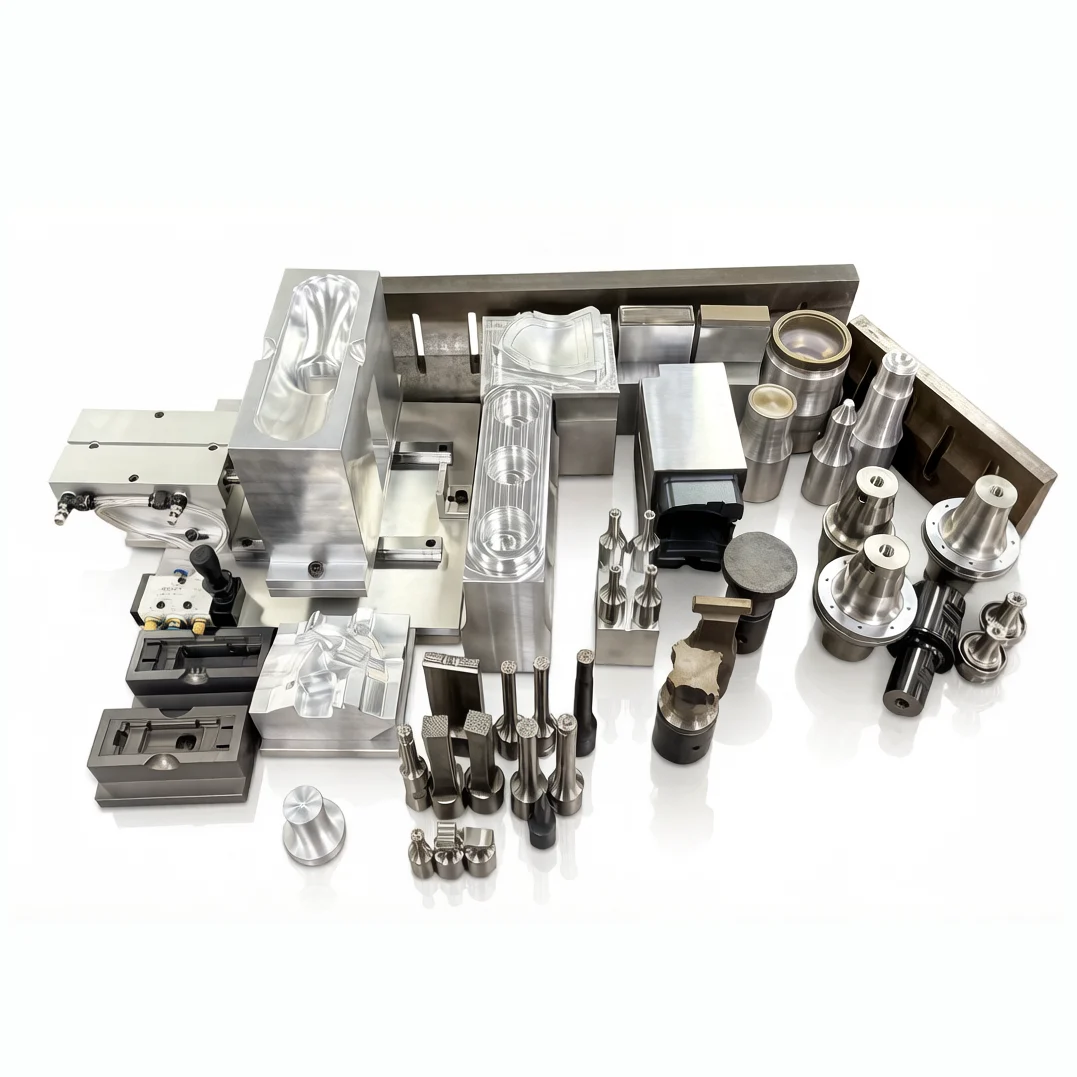
Ultrasonic welding tooling, designed according to customer requirement, with FE Analize to ultrasonic welding horn. Material can be aluminum, steel or titanium; base fixture can be desiged with auxiliary function such as clamps, sliders, vacuum system, turning system in case in need.

Ultrasonic cutting tooling in 20K, normally applied to cut food such as bread, cake, pizza, etc, or rubber material product such as tire, etc. Comparing to 40KHz ones, 20K ultrasonic system can realize the cutting in much bigger size.